
From Peaks to Sea, Crafted by Hand
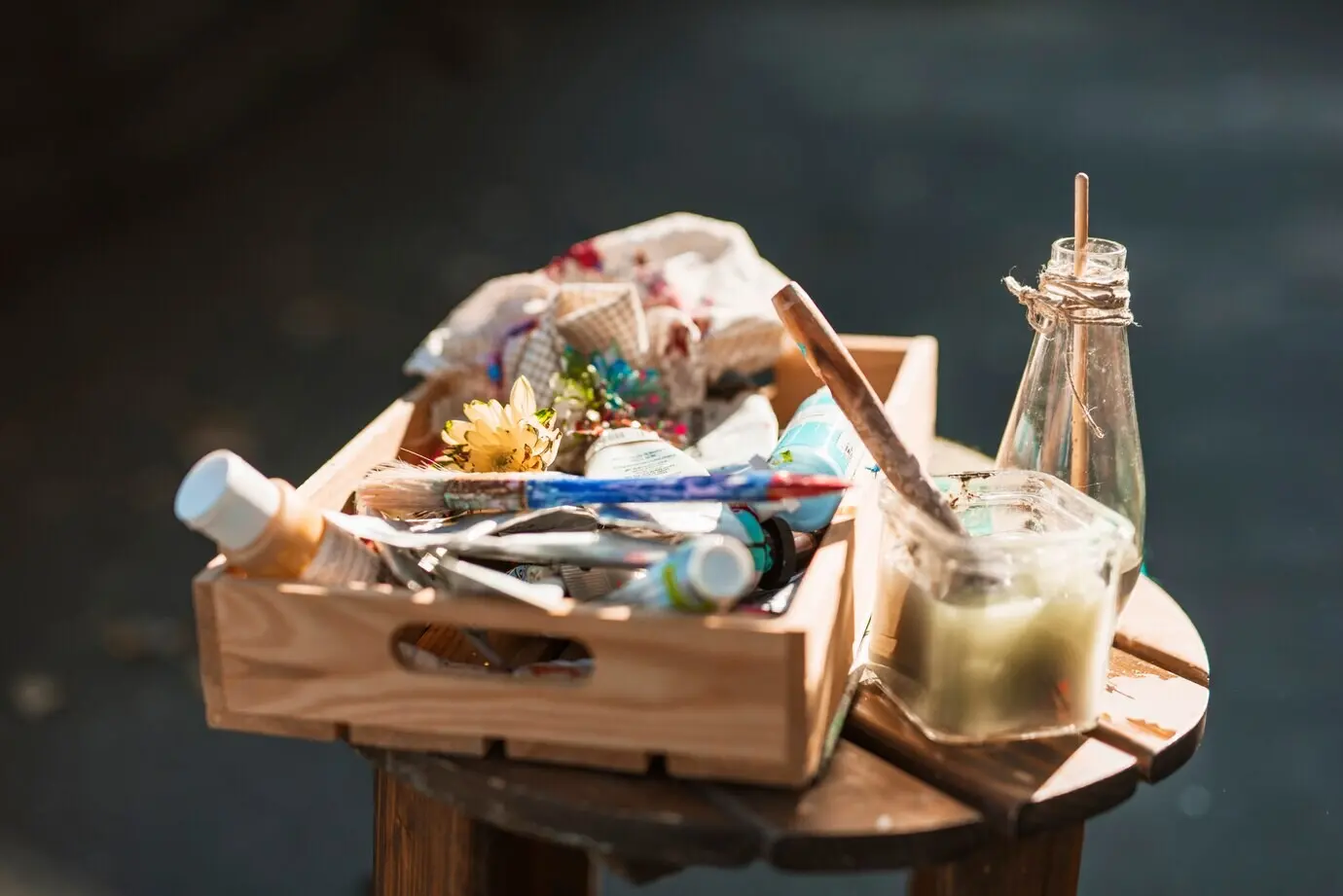
Handdrawn Paths Between Snow and Salt
Sketchbook Wayfinding
A pocket sketchbook becomes a compass when you slow down enough to notice the tilt of a bell tower, the pitch of a barn roof, or the way a stone wall curves to shelter thyme. Drawings anchor memory better than digital pins, revealing shortcuts to a cooper’s shed or a lace school tucked behind vineyards, while leaving room for weather, laughter, and chance meetings.
Borderland Stories at the Fire
In mountain inns and seaside konobe, borderland stories flow like warm broth. A shepherd remembers repairing skis with willow, a sailor recalls learning knots from an aunt during a winter bora. Listening with respect turns strangers into guides, and guides into friends who point you toward a weaver’s attic, a boatbuilder’s slip, or a grandmother willing to teach a stitch at dawn.
Season and Weather Windows
Slowcraft thrives within seasons. Spring torrents teach patience; summer heat asks for earlier starts; autumn light flatters wood grain; winter quiet sharpens attention. Reading forecasts becomes part of design, choosing projects that suit the air and time at hand. You learn to welcome fog, to respect the bora, to save delicate finishing for still mornings, and to celebrate mishaps as field lessons.
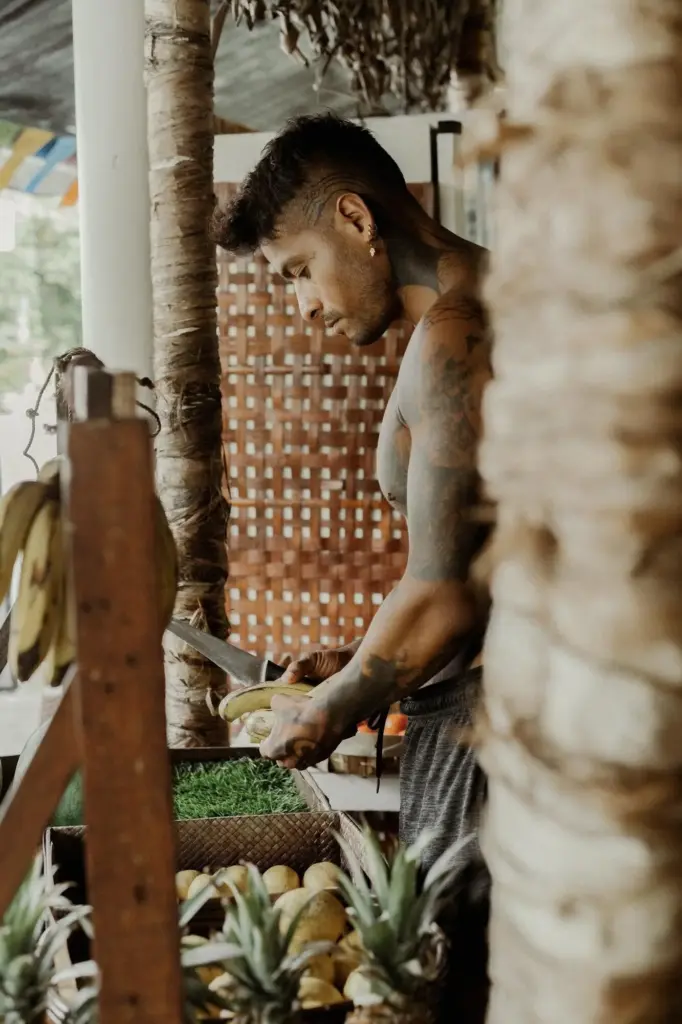
Materials That Carry Mountain Air and Sea Light
The Luthier Listening to Spruce
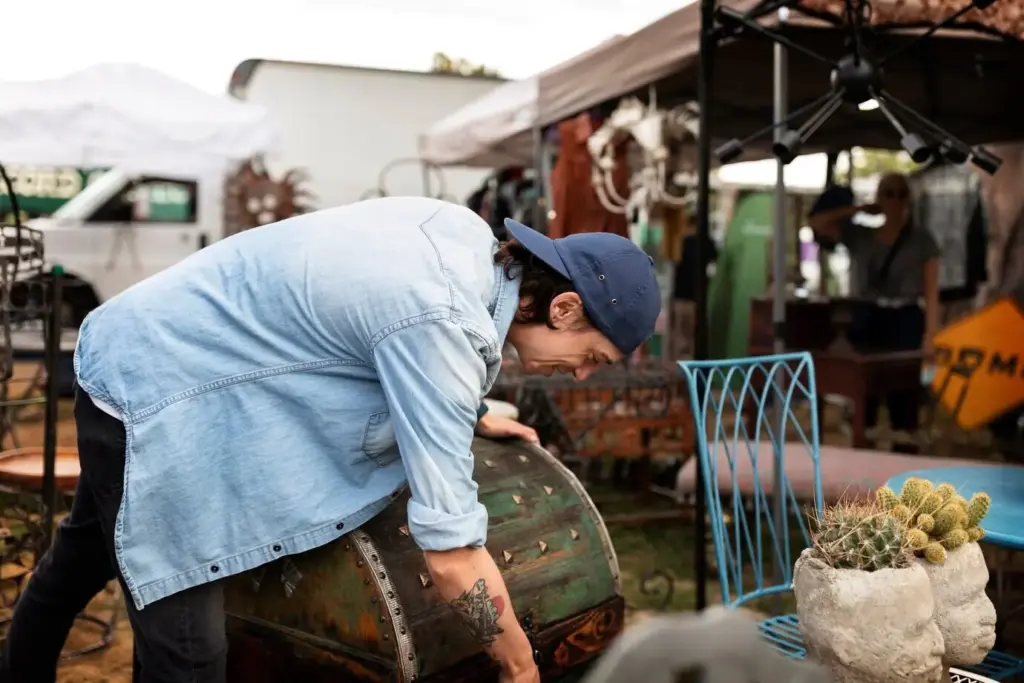
Karst Stonecutter Tracing Ancient Seams
Net Mender on a Quiet Adriatic Pier
Traveling at the Pace of Hands
Keeping Traditions Alive Without Freezing Them
Ethical Sourcing and Forest Respect
Choose wood that traveled short distances with clear origins, fibers grown without exhausting soil, and finishes that keep lungs happy. Ask for names and places. Pay the true price for time and care. Leave cutting sites cleaner than found, thank mills that air-dry properly, and compost offcuts when safe. Every decision either heals or harms, and craftsmanship begins long before the first cut.
Apprenticeships, Schools, and Grandparent Wisdom
There is courage in asking to watch, and grace in teaching slowly. Local schools, guilds, and kitchen tables all hold generous lessons. Support stipends, celebrate imperfect first tries, and document small processes before they vanish. When a grandmother reveals a shortcut hidden inside tradition, honor both versions. Let notebooks, recordings, and shared tool libraries keep pathways open for the next steady pair of hands.
Make With Us and Stay Connected

All Rights Reserved.